
Know what’s underground
Septic inspection in Cape Coral, FL
Sludge levels measured, filter and baffles checked, drainfield walked — and the condition of your system put in writing so you can plan instead of guess.
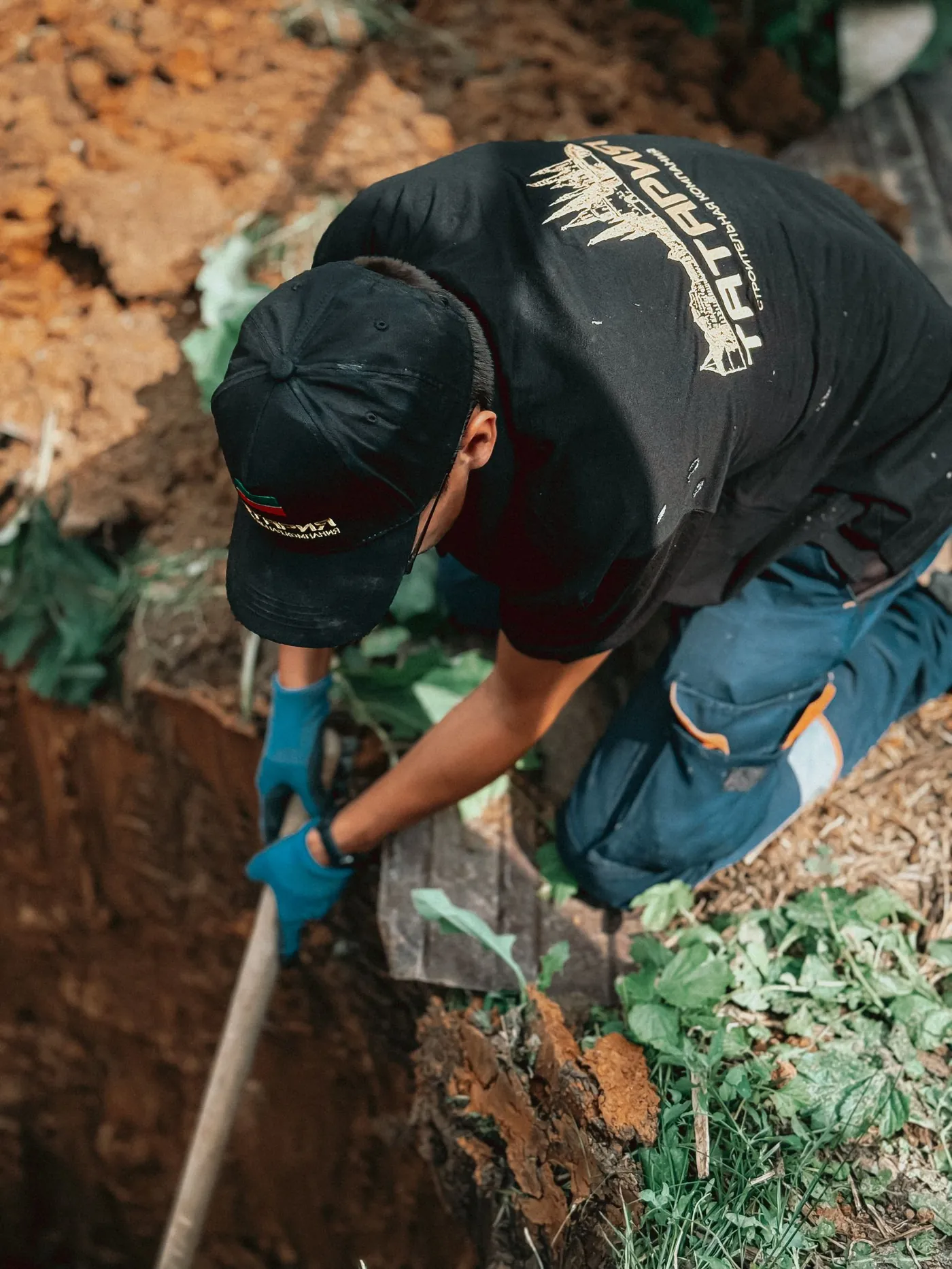
What a septic inspection covers
- Sludge and scum levels measured inside the tank
- Effluent filter, inlet and outlet baffles checked
- Tank lid, risers, and seals inspected
- Drainfield walked for surfacing, odors, and wet spots
- Written condition summary for your records
When an inspection is worth it
An inspection makes sense any time the system’s history is unknown or its behavior has changed. Common triggers in Lee County:
- You bought the home and have no service records
- Drains are slowing again shortly after a pump-out
- Heavy rain or hurricane flooding sat over the drainfield
- You are planning a remodel, pool, or addition near the system
- You want a baseline before problems become emergencies
Inspection vs. pump-out
A pump-out removes waste; an inspection measures the system’s condition. They pair well — with the tank empty, the crew can see baffles, walls, and the filter clearly. If the inspection finds a repair, it is quoted separately and nothing starts without your approval.
Common questions
Is an inspection the same as a pump-out?
No. A pump-out removes the contents of the tank. An inspection measures sludge levels and checks the condition of the tank, filter, baffles, and drainfield — then documents the findings.
How long does a septic inspection take?
A typical residential inspection takes about an hour on site, depending on lid access and whether the tank needs locating first.
Need septic inspection in Cape Coral?
An independent contractor confirms availability, scope, price, and schedule before service.